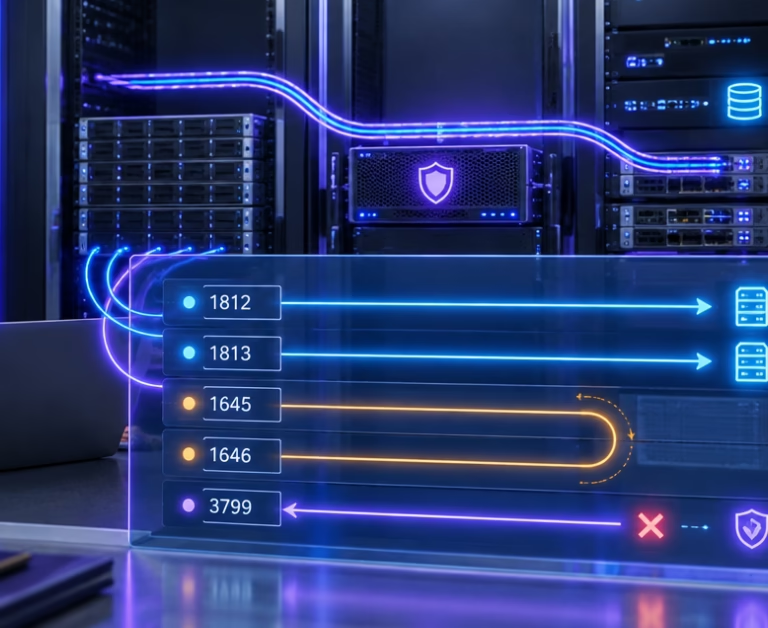
RADIUS Ports Explained: 1812, 1813, 1645, 1646 and 3799 (UDP vs TCP)
RADIUS uses UDP 1812 for authentication and 1813 for accounting; CoA runs the other way, to 3799. Get firewall rules for each and the IETF push toward RadSec.
RADIUS uses UDP 1812 for authentication and 1813 for accounting; CoA runs the other way, to 3799. Get firewall rules for each and the IETF push toward RadSec.
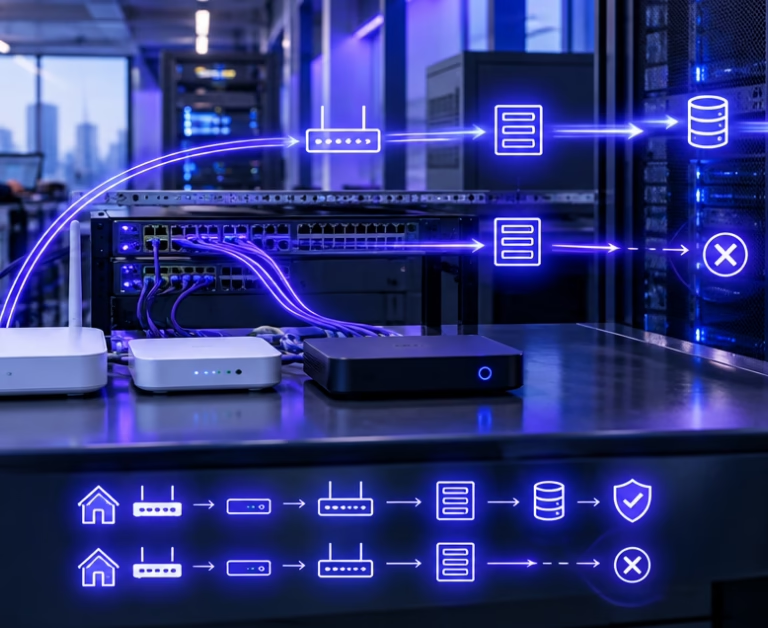
How ISPs use RADIUS MAC authentication for gateways, ONTs and set-top boxes, why a MAC alone can be spoofed, and how Option 82 or 802.1X adds the missing proof.

See how a RADIUS server authenticates carrier Wi-Fi users: methods per SSID, EAP-AKA’ SIM offload via HSS/UDM, roaming realms and TPS sizing for login surges.

Your firewall must allow UDP 1812 and 1813 from NAS to AAA server, UDP 3799 back for CoA, and TCP 2083 for RadSec. See why NAT breaks RADIUS and how to fix it.

Learn when to use NAS-initiated login or CoA in a RADIUS captive portal, which attributes carry the session, how accounting works, and why CoA logins stall.

See how Alepo AAA Server helps operators handle peak authentication loads, failover events, and reconnect storms with carrier-grade scalability and resilience.
Learn guest Wi-Fi best practices for captive portals, AAA, vouchers, quotas, consent and returning users while reducing access issues and revenue leakage.
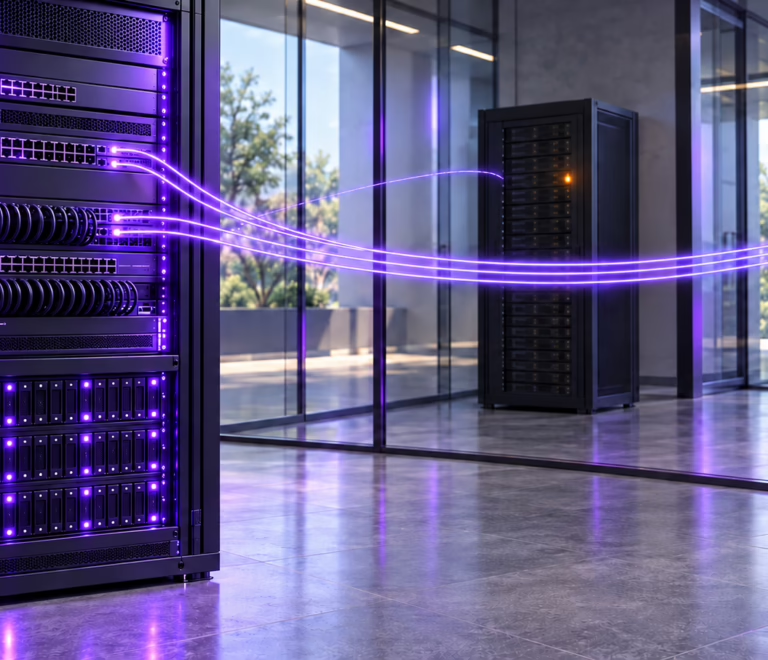
AAA emergency mode keeps subscribers online when the database is down. Compare fail-closed, cached and fail-open policies, accounting buffering, and testing.

What to look for in captive portal software: 14 checks on payments, RADIUS and CoA, multi-venue tenancy, consent and carrier scale, each with a demo question.

A practical RADIUS attribute reference: NAS-Port-Type, Framed-IP-Address, Class, vendor-specific attributes, and how to map VSAs during a migration.